
Strengthen Your Vagina Muscles: A Complete Guide to Pelvic Strength, Pleasure, and Confidence
Strengthen Your Vagina Muscles is not about changing your body to meet outside expectations. It is about reconnecting with your physical core, improving comfort, and supporting long-term sexual and pelvic health. Many women discover that when these muscles are strong and responsive, they feel more confident, more in control, and more connected to their bodies during everyday life and intimacy.
This guide takes a grounded, body-positive approach. It explains how vaginal and pelvic floor muscles work, why they change over time, and how intentional exercises can restore strength and sensation. The focus is on consistency, awareness, and realistic expectations rather than quick fixes or unrealistic promises.
Table of Contents – Strengthen Your Vagina Muscles
- Understanding Vaginal and Pelvic Floor Muscles
- How Vaginal Muscles Change Over Time
- Benefits of Strengthening Your Vagina Muscles
- Effective Exercises to Strengthen Your Vagina Muscles
- Lifestyle Habits That Support Pelvic Strength
- Supportive Tools and Modern Options
- Key Takeaways
- Frequently Asked Questions
- Your Strength, From the Inside Out
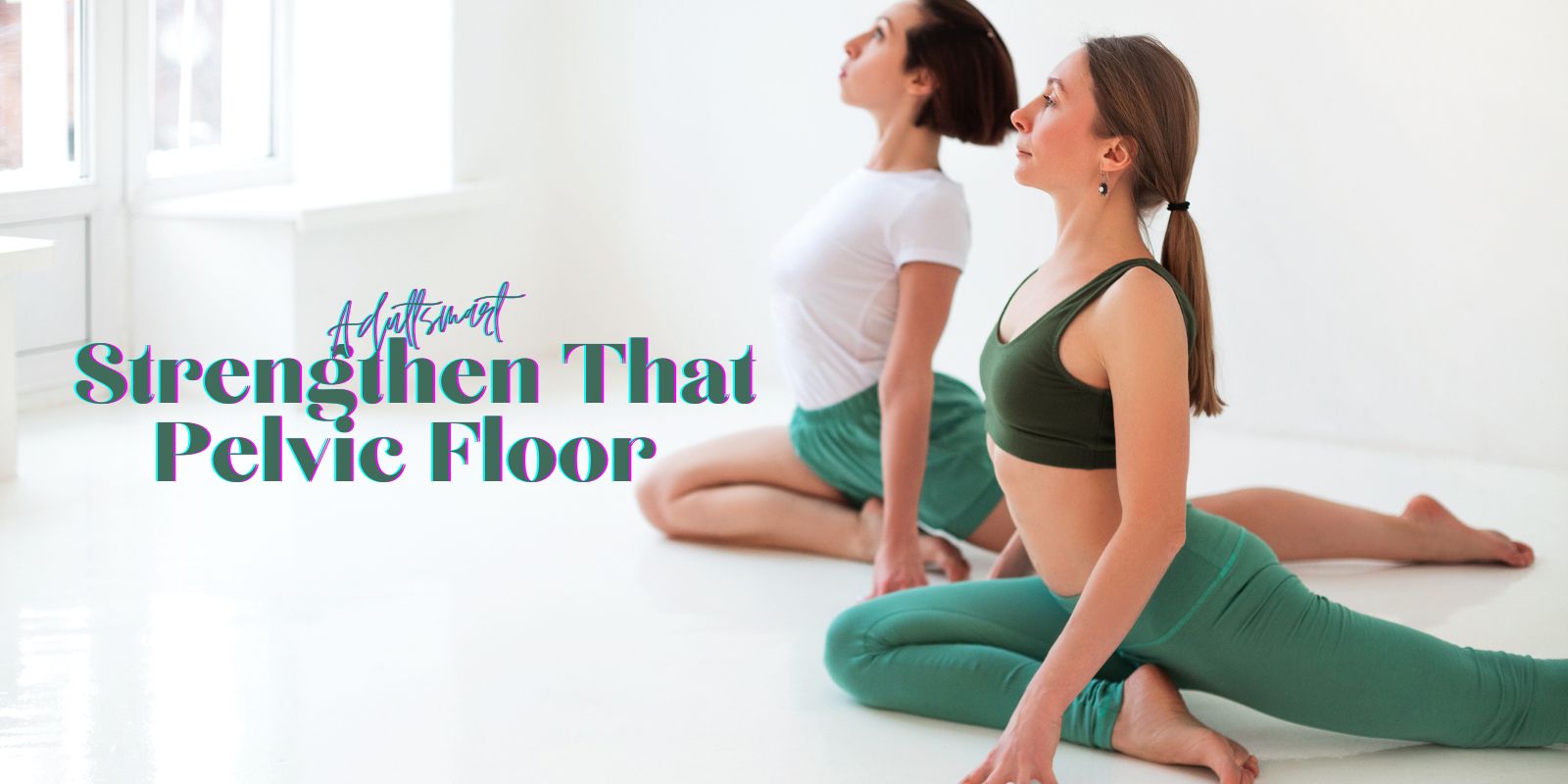
Understanding Vaginal and Pelvic Floor Muscles
The vagina is a flexible, muscular structure supported by a network of pelvic floor muscles. These muscles form a sling across the base of the pelvis, holding the bladder, uterus, and bowel in place. They contract and relax during arousal, orgasm, and daily activities such as lifting, laughing, or coughing. When functioning well, they provide both physical support and pleasurable sensation.
Anatomically, the vagina adapts easily to movement, penetration, and childbirth due to its elasticity. However, elasticity does not equal strength. Muscle tone depends on regular engagement and blood flow. Without stimulation or exercise, these muscles can lose responsiveness, much like any other muscle group in the body.
Understanding this structure helps remove fear or shame around training these muscles. Pelvic floor exercises are not cosmetic. They are a form of functional strength training that supports comfort, continence, and sexual wellbeing. Learning to identify and engage these muscles is the foundation of all progress.
Strengthen Your Vagina Muscles: How Vaginal Muscles Change Over Time
Vaginal muscle tone is influenced by age, hormones, childbirth, and lifestyle. Pregnancy and vaginal delivery stretch the pelvic floor significantly, and while the body is designed to recover, healing takes time and support. Without targeted exercises, some women notice reduced strength, sensation, or control after birth.
Hormonal shifts during menopause also affect vaginal tissue and muscle tone. Lower estrogen levels can reduce blood flow and elasticity, which may change how the vagina feels during arousal or penetration. These changes are common, but they are not permanent or irreversible.
Even women who have never given birth may experience pelvic floor weakness due to prolonged sitting, high-impact exercise, or chronic stress. The good news is that muscle tissue responds well to consistent, gentle training at any stage of life.
Benefits of Strengthening Your Vagina Muscles
One of the most noticeable benefits of strong vaginal muscles is increased sexual awareness. Improved tone allows for clearer sensations, stronger contractions during orgasm, and a greater sense of control during intimacy. Many women describe feeling more present and confident once they reconnect with these muscles.
Outside the bedroom, pelvic strength supports bladder and bowel control. This can reduce leaks during exercise, laughter, or sneezing. Strong muscles also contribute to better posture and lower back stability, since the pelvic floor works closely with core muscles.
Emotionally, training these muscles often leads to a deeper sense of ownership over the body. This confidence can extend into other areas of life, reinforcing the idea that physical strength and self-trust are closely connected.
Effective Exercises to Strengthen Your Vagina Muscles
The most well-known pelvic floor exercises are Kegels. These involve gently contracting the muscles used to stop urine flow, holding briefly, then releasing. According to Cleveland Clinic and Mayo Clinic, correct technique and consistency matter more than intensity.
When practicing, breathing should remain relaxed. Avoid tightening the abdomen, thighs, or glutes excessively. Focus on lifting and releasing internally. Starting with short holds and gradually increasing duration helps prevent fatigue and improves coordination.
Variety improves results. Combining slow holds with quick pulses trains both endurance and responsiveness. Over time, this balance supports better muscle control during arousal and daily movement.
Lifestyle Habits That Support Pelvic Strength
Daily habits have a strong impact on pelvic health. Prolonged sitting weakens pelvic muscles by limiting blood flow and natural engagement. Regular movement, gentle stretching, and posture awareness help maintain tone and responsiveness.
Stress management is equally important. Chronic tension can lead to tight but weak pelvic muscles, reducing flexibility and comfort. Practices such as mindful breathing, yoga, or body-based relaxation can help restore healthy muscle function.
Footwear and body alignment also play a role. While high heels may briefly engage certain muscles, they are not a substitute for targeted exercise. Balanced movement and intentional training provide more sustainable results.
Supportive Tools and Modern Options
Some women choose to complement exercises with tools such as kegel balls or wearable devices. These tools provide feedback and resistance, helping improve awareness and consistency. Options like wearable vibrators can also support muscle engagement through gentle stimulation.
It is important to choose body-safe products and use them as intended. Tools should enhance awareness, not replace active engagement. Listening to your body remains the most reliable guide.
Education around pleasure and health continues to evolve. Articles exploring cultural shifts, such as why Australians are embracing sexual wellness, reflect growing acceptance of pelvic health as part of overall wellbeing.
Key Takeaways
- Strengthening your vagina muscles supports sexual pleasure, comfort, and confidence.
- Pelvic floor muscles change over time but respond well to consistent training.
- Correct technique matters more than intensity or speed.
- Lifestyle habits such as posture, movement, and stress management affect pelvic health.
- Supportive tools can help, but awareness and consistency are essential.

Frequently Asked Questions – Strengthen Your Vagina Muscles
How long does it take to see results from pelvic floor exercises?
Most women notice improved awareness and control within a few weeks. More noticeable changes in strength and sensation often appear after one to three months of consistent practice.
Can I overdo pelvic floor exercises?
Yes. Overtraining can lead to muscle tension or fatigue. Rest days and relaxation are just as important as strengthening.
Are these exercises safe after childbirth?
In most cases, gentle pelvic floor exercises are encouraged after birth, but it is best to consult a healthcare provider, especially if there were complications.
Do vaginal exercises improve orgasms?
Stronger, more responsive muscles can enhance sensation and contraction during orgasm, though experiences vary between individuals.
Is pelvic floor training only for sexual benefits?
No. These exercises support bladder control, posture, and core stability, making them valuable for overall health.
Your Strength, From the Inside Out
Strengthen Your Vagina Muscles is an act of self-care, not correction. It is about supporting your body as it changes and honoring its capacity to adapt and respond. With patience and consistency, small daily efforts can lead to lasting improvements in comfort, confidence, and connection.
This journey does not require perfection or comparison. It requires presence. By tuning into your body and giving it the attention it deserves, you build strength that supports every part of your life, from physical wellbeing to intimate connection.
Your body is capable of change, resilience, and pleasure at every stage. When you invest in that strength, you are investing in yourself.